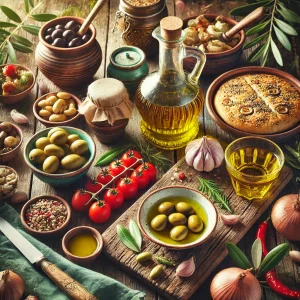
Olive oil has been called “liquid gold” for a reason. Beyond its culinary uses, it’s steeped in history, culture, and tradition. From ancient empires to modern Mediterranean kitchens, olive oil has played a starring role in human civilization. Let’s explore five fascinating facts about olive oil’s rich and flavorful history.
5 Olive Oil History Fascinating Facts That Will Surprise and Inspire You

1. Its Role in Ancient Greek and Roman Culture
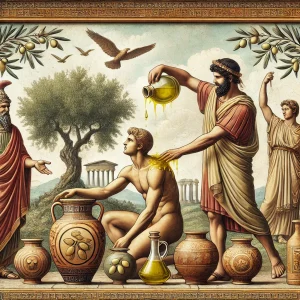
In ancient Greece and Rome, olive oil wasn’t just food—it was a symbol of civilization. It fueled lamps, anointed athletes, and was a prized ingredient in cooking. Greek Legacy: The Greeks believed olive oil was a gift from Athena, the goddess of wisdom. Olive trees were considered sacred, and damaging one could lead to severe punishment. Roman Innovation: The Romans took olive oil production to new heights with advanced milling techniques. They even classified oils by quality, much like we do today with extra virgin varieties. Fun Fact: The Roman Empire’s vast trade network ensured olive oil was distributed far and wide, solidifying its status as a valuable commodity.
2. Olive Oil as a Symbol of Peace and Victory
Olive oil has long been associated with peace, victory, and prosperity. The olive branch, dipped in oil, became a universal symbol of harmony. Olympic Glory: In ancient Greece, winners of the Olympic Games were crowned with olive wreaths and often received olive oil as a prize. Biblical Significance: Olive oil features prominently in religious texts, symbolizing divine blessing and peace. Whimsical Thought: Imagine athletes today receiving barrels of olive oil instead of trophies. Talk about a practical prize!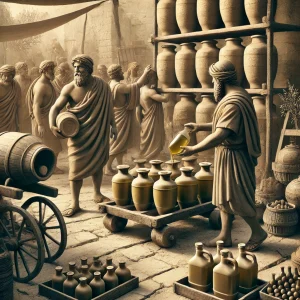
3. How It Was Used as Currency in Some Civilizations
In ancient times, olive oil was so valuable that it served as currency. Traders and merchants used it to barter for goods and services. Economic Impact: Olive oil was a cornerstone of the ancient Mediterranean economy. It was used to pay taxes, fund wars, and support trade routes. Historical Insight: Records from ancient Egypt reveal that olive oil was among the most coveted trade items, often exchanged for precious metals and exotic goods. Fun Fact: Olive oil’s value as a currency underscores its importance in daily life and commerce.4. Its Importance in Religious Rituals
From lighting lamps in temples to anointing kings, olive oil has held spiritual significance across many religions. Judaism and Christianity: Olive oil was used to consecrate priests and sacred spaces. The menorah, a key symbol in Jewish tradition, was fueled by pure olive oil. Islamic Tradition: The Quran references olive oil as a “light”, symbolizing purity and divine guidance. Whimsical Thought: Olive oil isn’t just good for your body; it’s been nourishing souls for millennia!